
*See the Life Cycle Lesson Plan and Resource Roundup at the end of the post for more details on curriculum and teaching tools/resources
Here at Mind & Scholar, summer doesn’t mean the end of learning—it simply means we shift gears.
We relax the pace.
We say yes to more walks and longer mornings.
We close the textbooks (sometimes).
And we open the windows—both literally and figuratively—to invite more wonder in.
Our homeschool is year-round by design, not by accident. Learning isn’t something we pause for a season. It’s something we live. And this summer, we’ve welcomed some tiny guests into our dining room who have helped us lean into that truth in the most beautiful way.
🦋 Watching Wonder Unfold
We kicked off our summer studies with a hands-on exploration of butterfly and ladybug life cycles—and it has been absolutely magical.
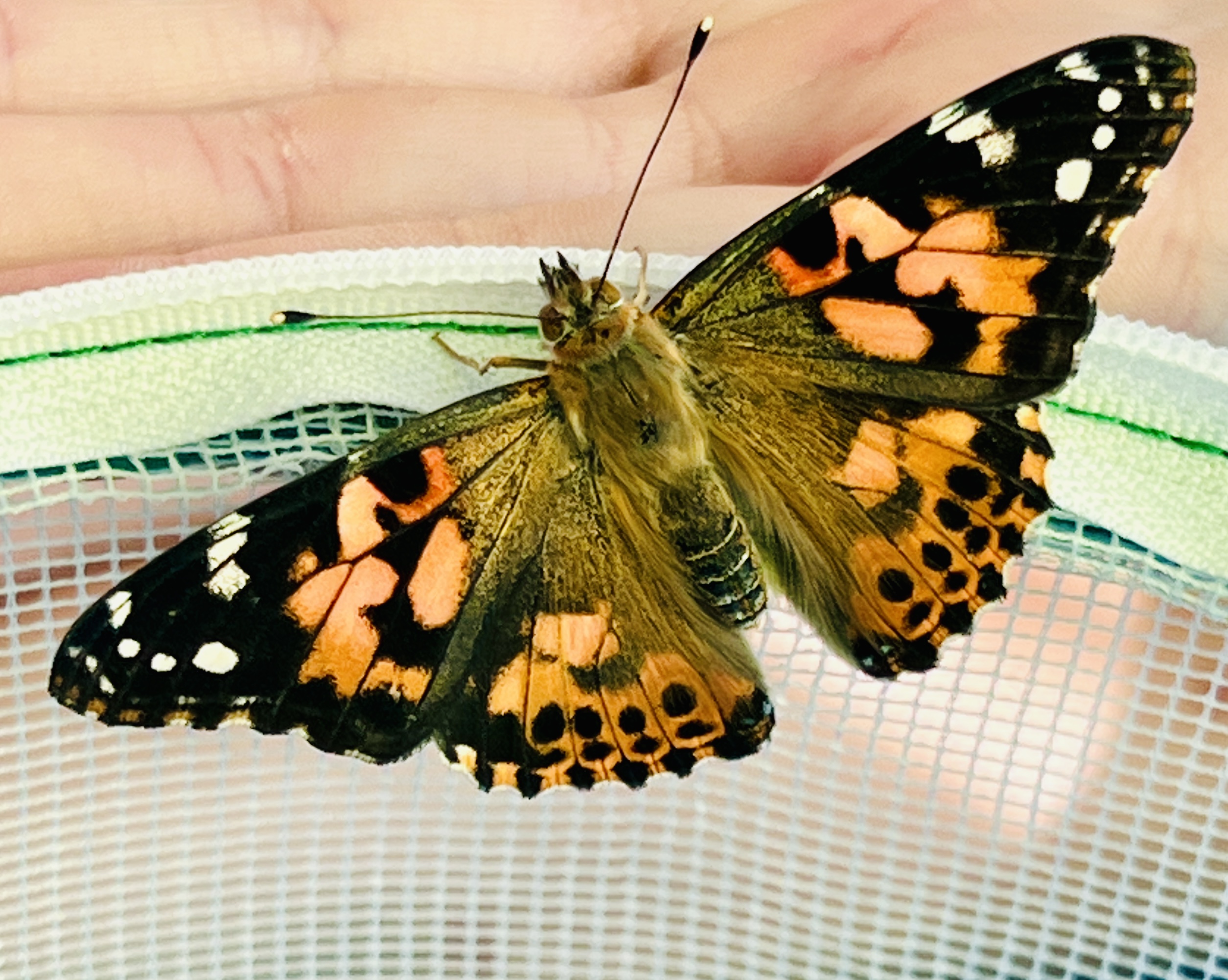
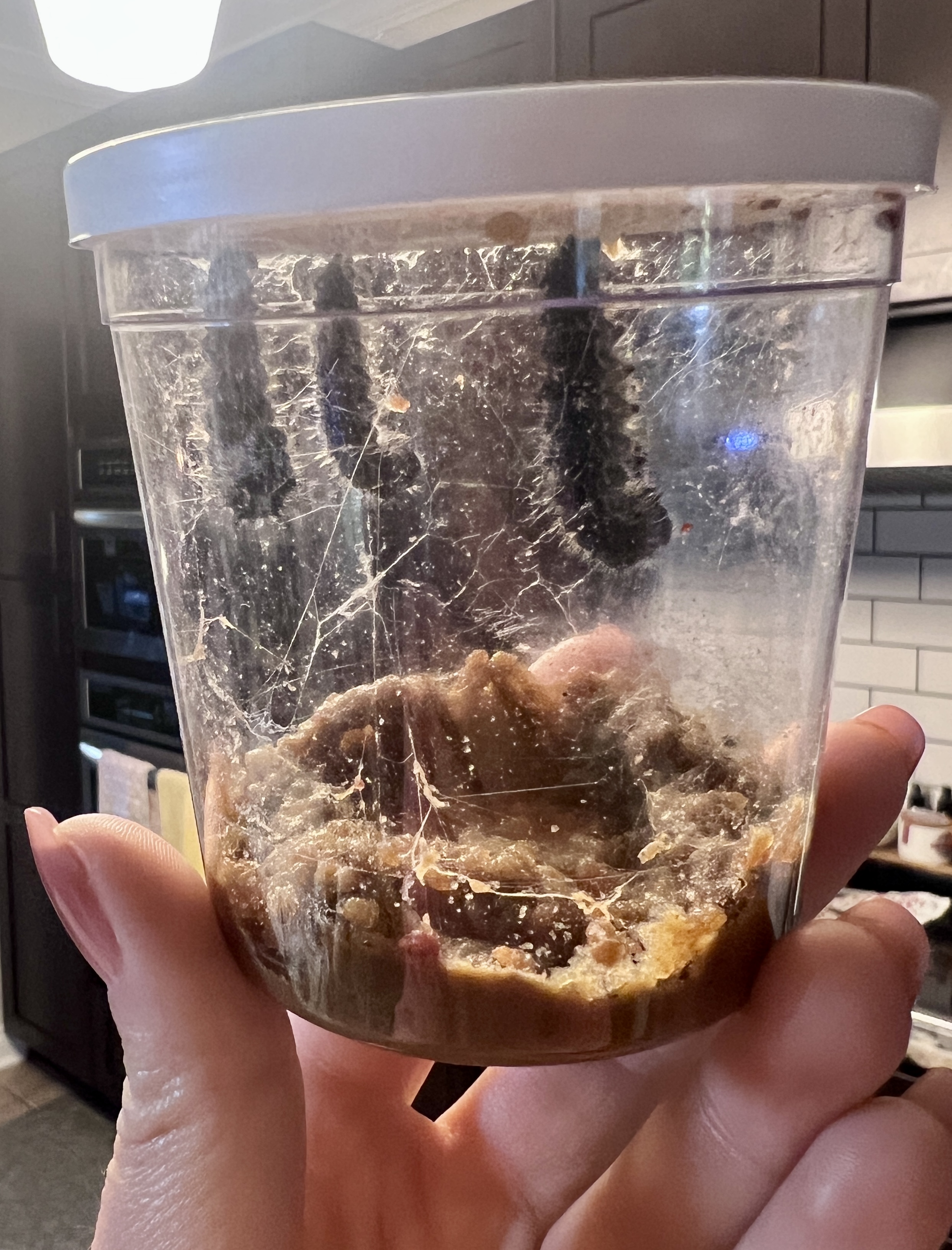
We ordered live kits from Insect Lore, and within days, our dining room became part science lab, part nature observatory. We watched tiny caterpillars grow fat and sleepy, spin their chrysalises, and then emerge as Painted Lady butterflies—delicate and dazzling.
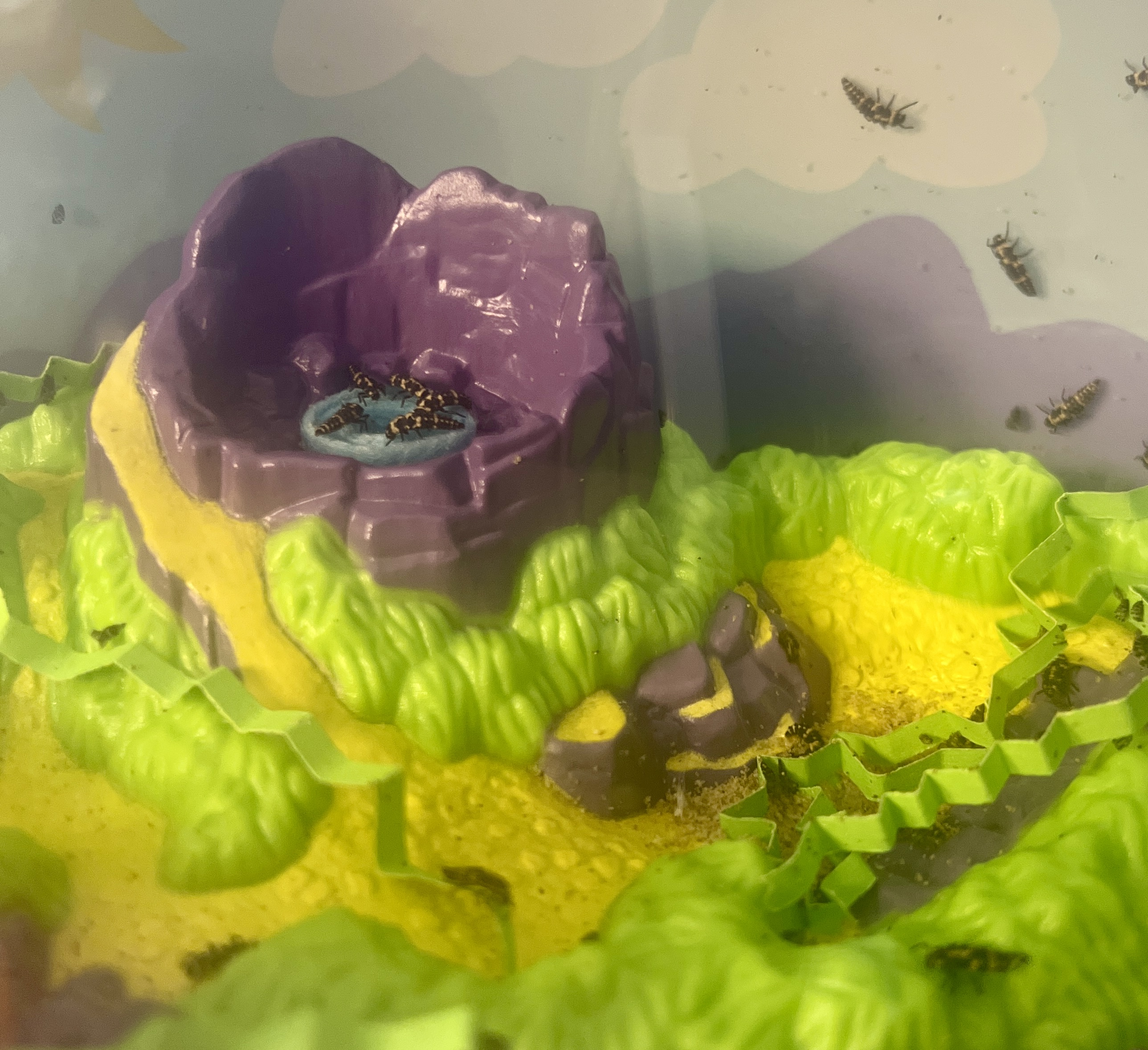
Alongside them, tiny ladybug larvae appeared like little alligators, then slowly transformed into the familiar red-and-black-shelled beetles we all love. To witness both of these cycles side-by-side brought the concept of metamorphosis to life in a way no worksheet ever could.
There were squeals. There were whispered “wows.”
There were moments we just sat in silence, marveling.
📚 Our Supporting Cast of Resources
To enrich our study, we pulled from some of our favorite gentle learning tools:
- Life Cycle Manipulatives from Insect Lore helped us touch and see each stage up close. These were especially helpful for narration and vocabulary review.
- Nature Anatomy by Julia Rothman offered charming illustrations that made science feel both accessible and artful.
- The Handbook of Nature Study by Anna Comstock guided our observation and gave us language for what we were seeing.
- Slow Down: 50 Mindful Moments in Nature helped us integrate mindfulness and wonder into our outdoor time—reminding us that learning doesn’t always need a worksheet.
- Watercolor with Me in the Forest and our Beautiful Feet Books Seasons Afield Fieldnote Cards allowed us to reflect on what we observed through painting and journaling—connecting science with art in ways that made the experience stick.
- Exploring Nature with Children provided nature walk prompts and connections to seasonal rhythms.
- The Good and the Beautiful Fields and Flowers Course Set gave us additional reading and vocabulary tied to flowers and pollinators, deepening our understanding of habitat and food chains.
I didn’t use all of these every day. I pulled what we needed, when we needed it—sometimes for a quick read-aloud, sometimes for a nature walk, sometimes for a creative afternoon of painting.
That’s the gift of summer learning. It’s rich, but never rushed.
🦋 A Backyard Farewell
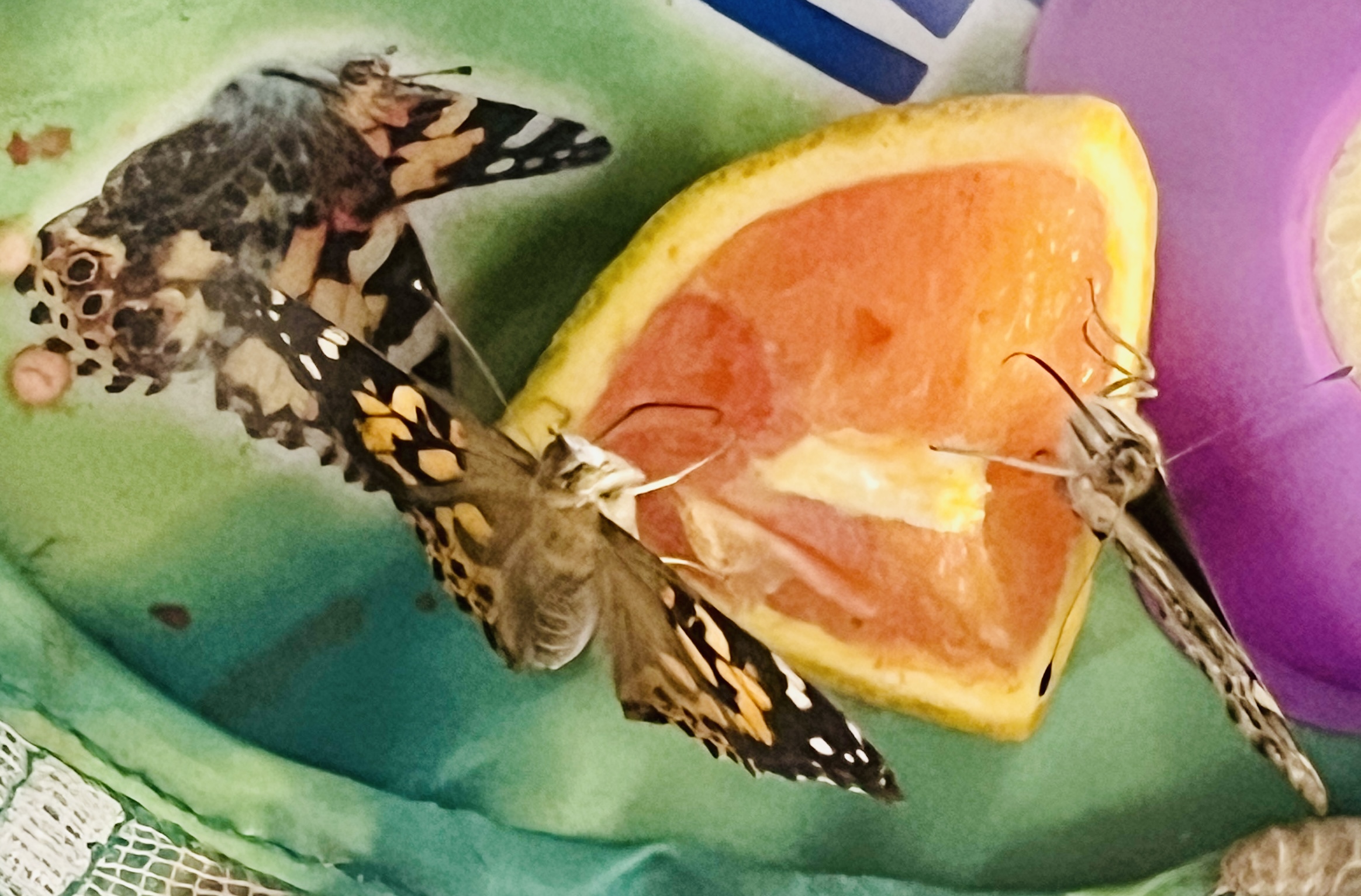
Today, we experienced the culmination of our butterfly study in the most magical way—we released several of our Painted Lady butterflies into the world.
To make it extra special, we pitched a tent in our backyard and began the release inside. With the tent zipped closed, the butterflies fluttered around us, offering an up-close and personal encounter. My children watched in awe, holding out their hands and whispering gentle words, fully immersed in the moment.
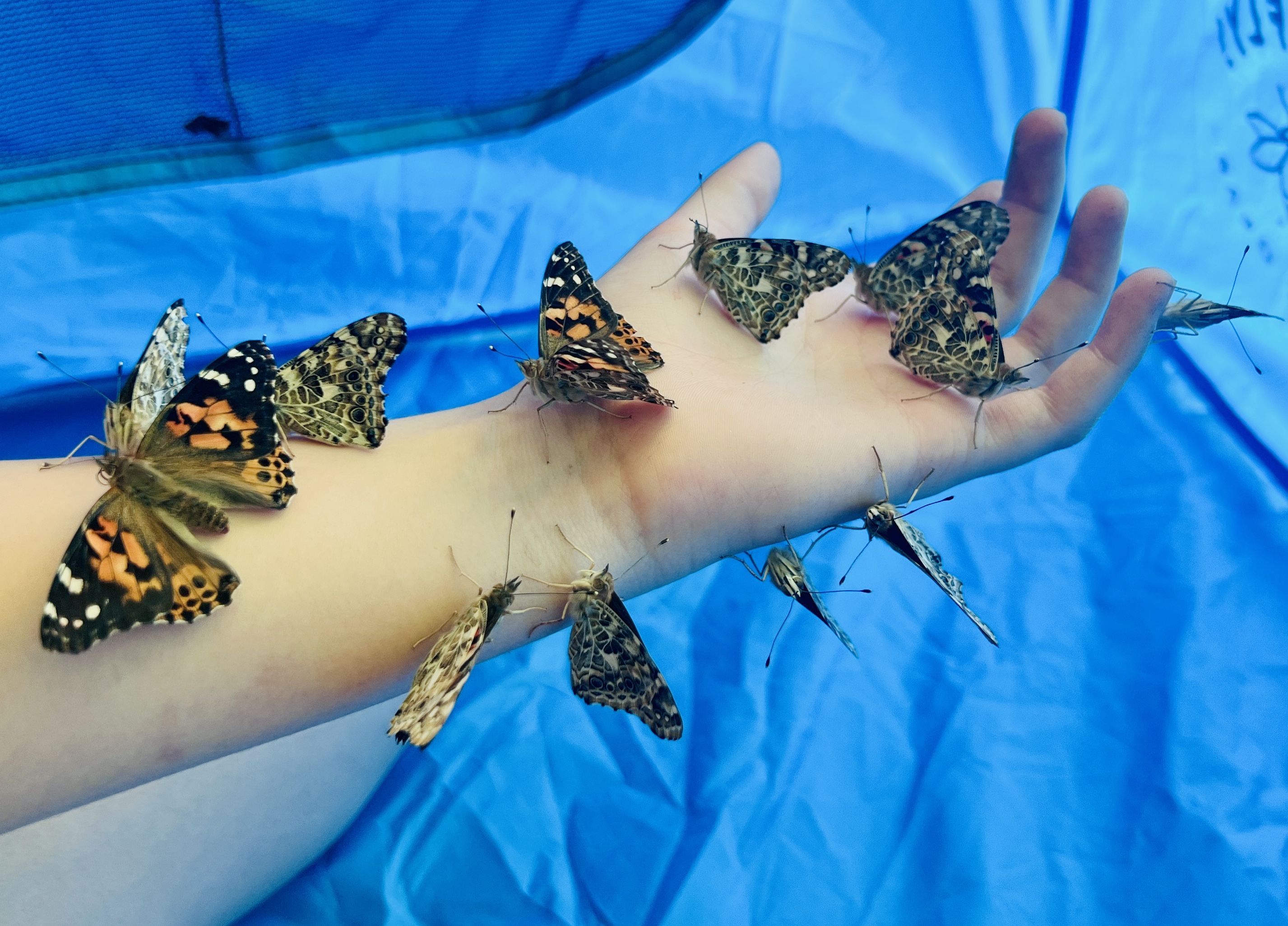
When we were ready, we carefully gathered the butterflies and opened the tent, letting them fly into our butterfly garden area, a dedicated space we’ve cultivated with nectar-rich blooms just for this purpose. Some of the butterflies took flight immediately, off on their next adventure. Others lingered, happily settling among the flowers as if they knew this was home.
We do have one little butterfly still with us. She hasn’t shown signs of being ready to leave, and so we’re giving her the time she needs. My children named her Lola, and she’s become an honorary member of the family for now.
And yes—because we value the balance of nature and want to teach our children responsible stewardship—we took care to confirm that releasing Painted Lady butterflies is safe and approved here in Arkansas. It’s a small but important step in making sure our awe and wonder also align with care and respect for our local ecosystem.
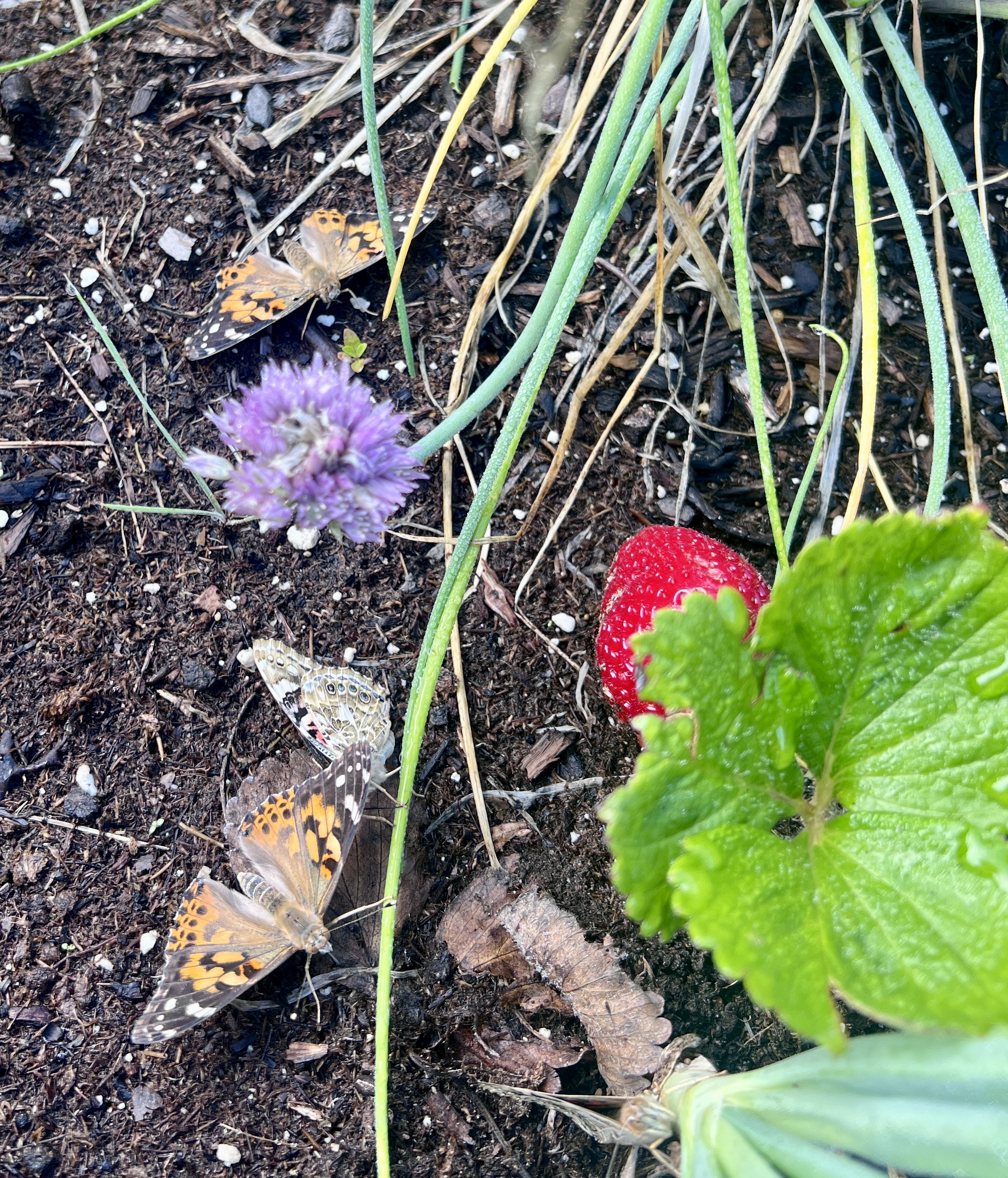
This moment was more than a science lesson. It was a celebration of growth, transformation, and release—a beautiful metaphor unfolding right in our backyard.
🍃 Lessons from Wings and Spots
As I watched my kids observe these creatures up close, I was struck by something simple: these tiny animals change in ways that are hard to believe—completely reinventing themselves—and they do it quietly, naturally, without fanfare.
There’s something profoundly hopeful in that.
A reminder that growth often happens slowly.
That transformation requires stillness.
That beauty emerges in its own time.
Summer, it seems, is the perfect time to remember that.
With heart and wings,
Patricia
Life Cycle Lesson Plan: Butterflies & Ladybugs
📆 Pacing Suggestion
Spread the study out over 2–3 weeks, spending about 3 days per week on related activities. Use the Insect Lore kits as your living centerpieces and anchor the rest of your learning around them.
🐛 Week 1: Observation & Foundations
Focus: Introduce basic concepts of life cycles; begin daily observation.
- Insect Lore Kits
Set up the butterfly and ladybug kits. Each day, take a few minutes to observe and document what you see.
➤ Let this become your morning rhythm starter. - Exploring Nature with Children
Use the relevant seasonal week (Insect Week or Butterfly Week) as a spine for daily nature walks and journaling. - The Handbook of Nature Study
Read the butterfly and ladybug sections aloud. Choose 1–2 questions from each entry to guide daily observation and discussion. - Nature Anatomy (Julia Rothman)
Read the illustrated butterfly and ladybug spreads. Use them to spark curiosity and label parts of the insect or life cycle stages in a nature journal.
🦋 Week 2: Art, Language, and Deeper Exploration
Focus: Reinforce understanding with creativity, narration, and hands-on activities.
- Beautiful Feet Books – Seasons Afield
Use the butterfly and insect-related entries as a literary companion. Read the selections aloud, then invite your child to create a watercolor Fieldnote Card. - Watercolor With Me: In the Forest
Paint a butterfly or ladybug together. Use the time to reflect or chat about what you’ve observed. - The Good and the Beautiful: Fields and Flowers
Incorporate a science/language arts lesson that deepens vocabulary or classification. Pick one or two nature journal prompts to complete alongside. - Narration or Dictation
Ask your child to narrate what they’ve learned so far. You can write it down and turn it into a little booklet or poem about metamorphosis.
🐞 Week 3: Life Cycle Connections & Big Picture
Focus: Connect the dots—broader life cycles, deeper reflection, and celebration.
- Slow Down: 50 Mindful Moments in Nature
Read the butterfly emergence and other life-cycle related entries. These poetic readings pair well with gentle reflection or journaling. - Create a Life Cycle Display
Use the Insect Lore manipulatives and illustrations from Nature Anatomy to build a “Life Cycle Gallery” on a bulletin board or wall. Include:- Labeled diagrams
- Fieldnote watercolors
- Photos of your real-life insects
- Quotes from readings or narrations
- Family Reflection Activity
Discuss how life cycles reflect change, patience, and transformation in our own lives. This could lead to a simple Bible study or a nature-inspired devotional moment if faith is part of your homeschool rhythm.
🧺 Resource Round-Up: Butterfly & Ladybug Life Cycles
Here’s a quick look at the tools and treasures we used to bring our summer nature study to life.
🛍️ Affiliate Disclosure
Some of the links below are affiliate links, which means I may earn a small commission—at no extra cost to you—if you choose to make a purchase. I only recommend resources we’ve personally used and truly love. Thank you for supporting Mind & Scholar in this small but meaningful way!
🐛 Hands-On Kits & Models
- Insect Lore Butterfly Garden
Live caterpillars and habitat included. A gentle, awe-inspiring way to observe metamorphosis firsthand. *Please postpone your live order if daytime temperatures in your area are below 50 degrees or above 90 degrees Fahrenheit. Your caterpillars are sensitive to extreme heat or cold. - Insect Lore Ladybug Land Kit
A unique chance to witness the lifecycle of the humble ladybug—from larvae to spotted adult. *Insect Lore recommends postponing your order if daytime temperatures in your area are below 50°F or above 90°F. - Insect Lore Two Cups of Live Caterpillars with Butterfly Life Cycle Figurines
- Insect Lore’s Life Cycle Figurines 24 Pc Set | Butterfly, Ladybug, Frog, Honey Bee, Ant and Praying Mantis
📖 Books That Supported Our Study
- Nature Anatomy by Julia Rothman
Beautifully illustrated and easy to understand—this book brought joy and clarity to our science time. - The Handbook of Nature Study by Anna Botsford Comstock
A timeless guide full of thoughtful prompts for outdoor observation and nature journaling. - Slow Down: 50 Mindful Moments in Nature by Rachel Williams
We loved the calm, poetic approach to noticing nature in real time. - Watercolor with Me in the Forest by Dana Fox
This watercolor guide allowed us to reflect artistically and quietly—no pressure, just peace.
🌿 Curriculum Connections
- Exploring Nature with Children by Lynn Seddon
Our go-to for aligning lessons with the seasons. Weekly themes, poems, art, and science extensions. - Beautiful Feet Books – Seasons Afield Nature Study
A lovely literature-based guide, complete with watercolor cards we used to track our observations. - The Good and the Beautiful – Fields and Flowers Course Set
A gentle dive into wildflowers, pollinators, and more—tying literacy and science together beautifully.

 Mind & Scholar
Leave a comment